Seine River Valley
There are interesting sights to
see up and down the Seine River, which snakes its way from Paris
through Normandy and Rouen to the English Channel. Giverny is not really one
of them. It was
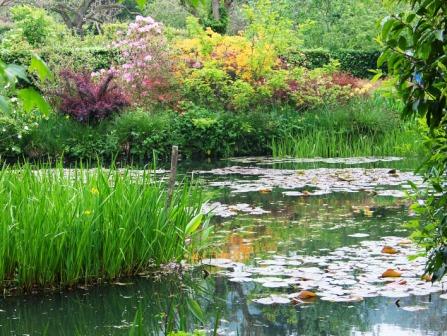
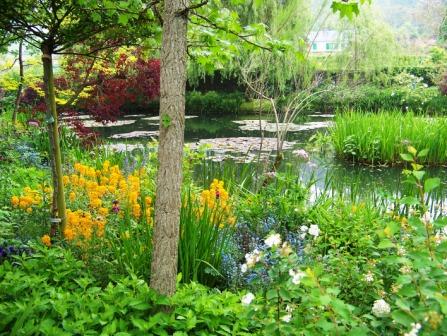
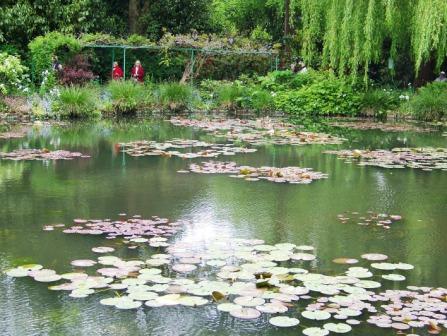
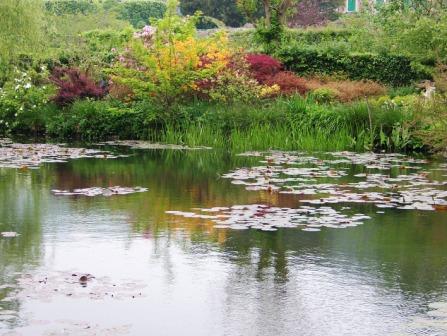
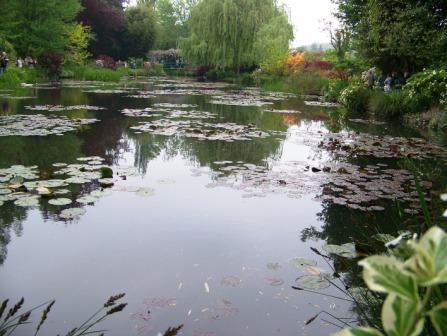
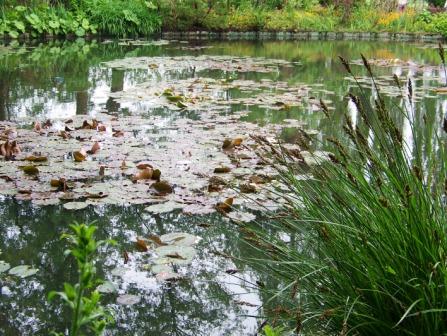
the home of Impressionist painter Claude Monet, who tended an enormous set
of gardens here,
including a pond of water lilies, which he painted and are among his most
famous paintings.
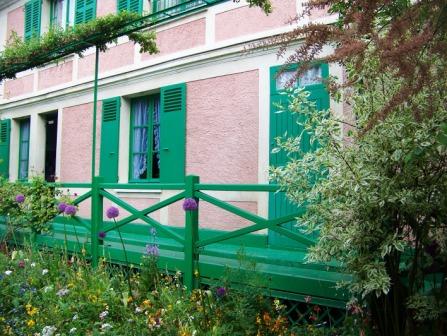
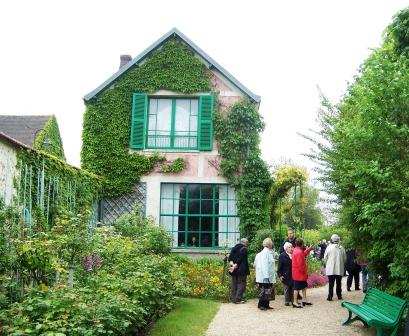
His house and gardens are open
to the public--and, boy, are they ever open to the public!
They swarmed with so many people, dumped by the tour bus load, that it was
difficult to
get away from the crowds. The gardens were nice, but hardly worth the effort
to get there.
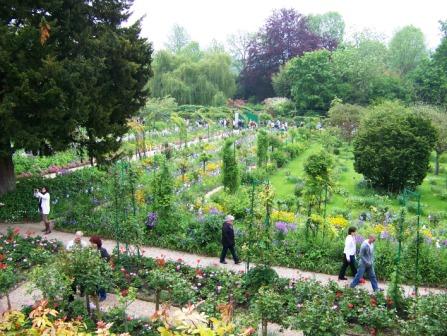
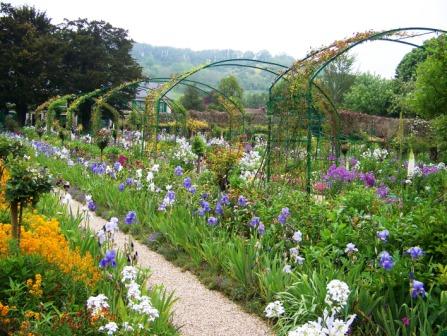
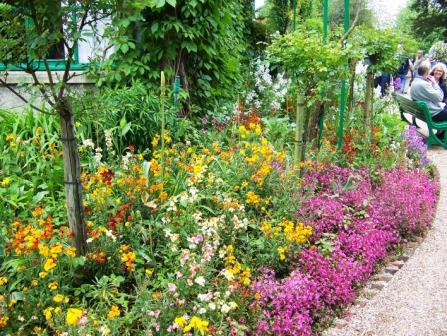
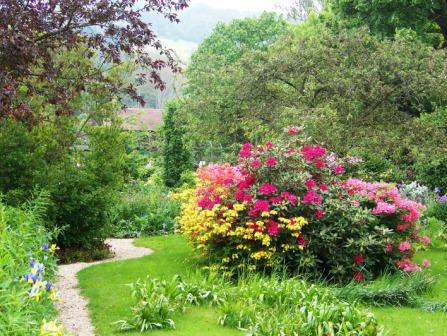
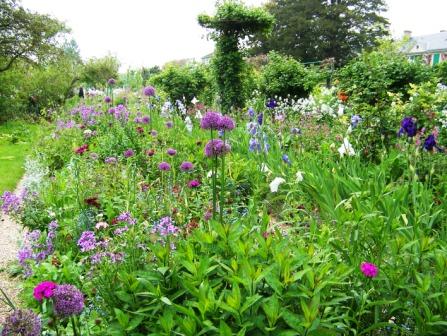
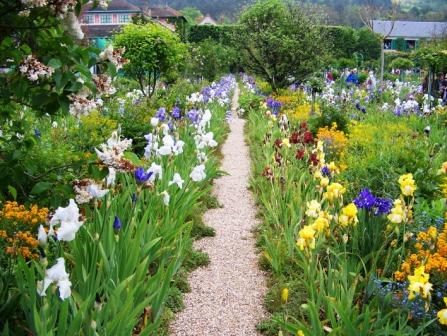
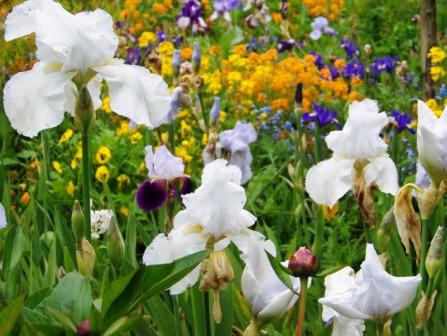
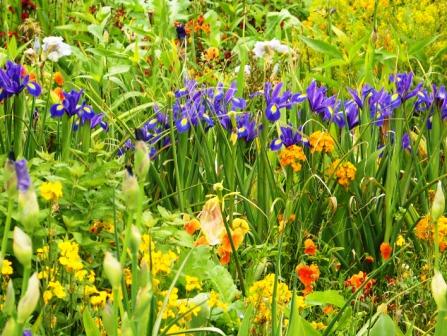
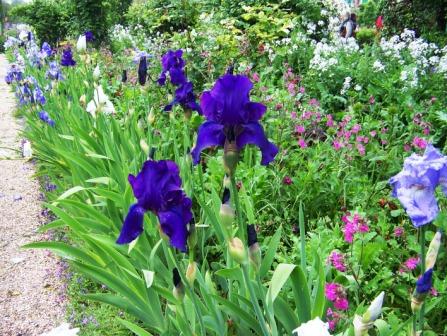
The irises were in bloom, though, in huge banks of varied colors.
Not far from Giverny
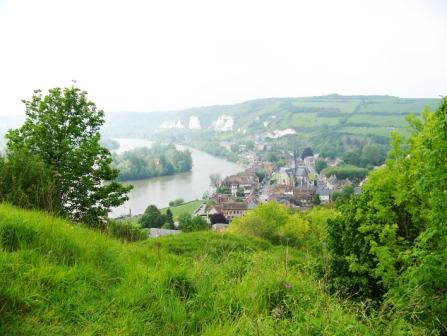
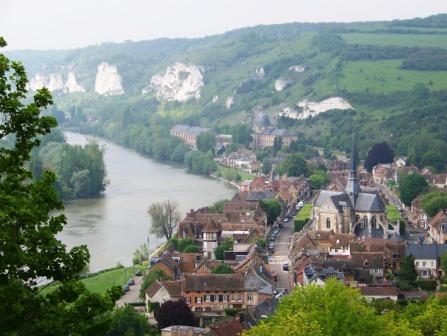
lies the twin villages called Les Andelys. Not much going on there,
but it did allow us the chance to get away from the mobs of tourists at Giverny.
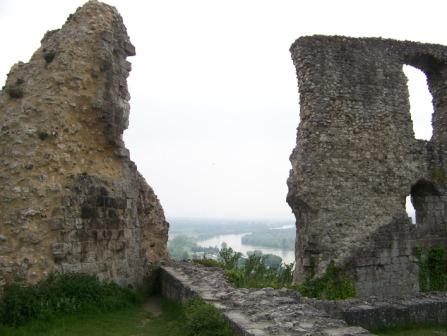
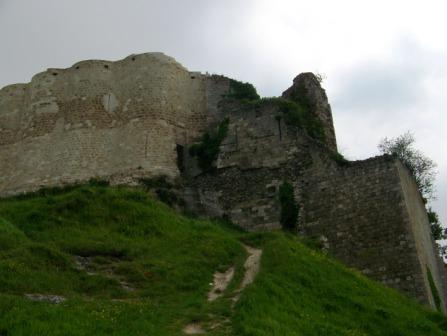
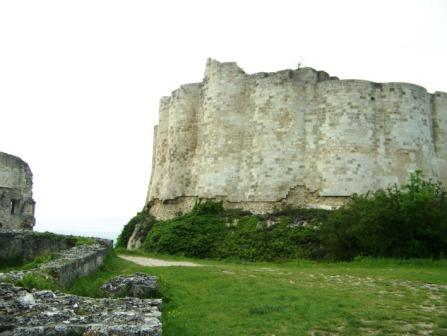
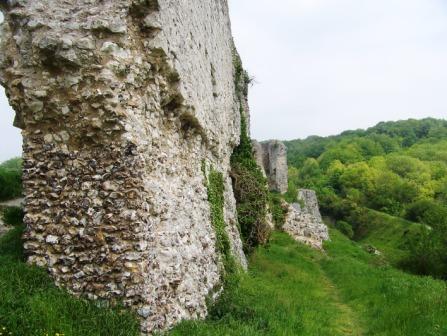
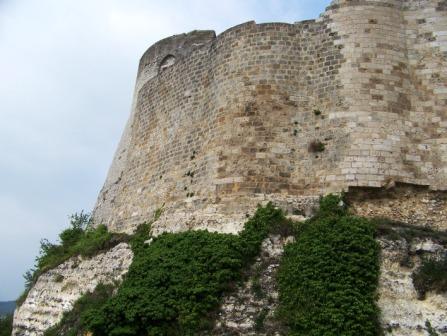
The real sight
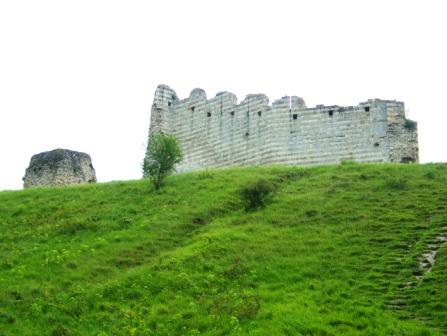
at Les Andelys is the ruined castle of Château-Gaillard. It was built
by Richard the
Lion-Hearted, back in the twelfth century when he was King of England and
also Duke of Normandy.
Then, it protected the border between the English-held lands in France and
those belonging directly to
the King of France. But the King of France, Philip II, was uncomfortable with
so powerful a fortress on
his borders, not all that far from Paris, so while King Richard was off on
crusade he captured the castle
and demolished it. So it only existed for a dozen years. Even so, what remains
of it is still impressive.
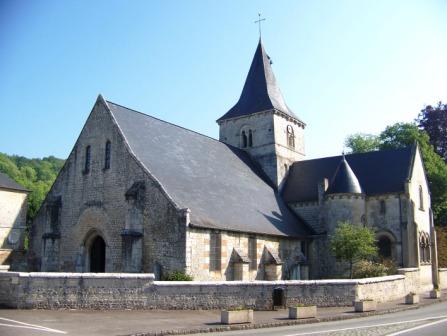
One is the monastery of Saint-Wandrille,
also called Fontenelle Abbey. It was founded in the
seventh century by Saint Wandregesil, after whom it is named, and though it
was closed and
abandoned twice in its history, it is still a monastery, and we listened to
the monks singing
some Gregorian chant while we visited. Most of the medieval buildings have
fallen into ruin.
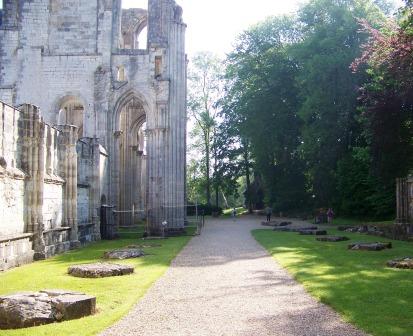
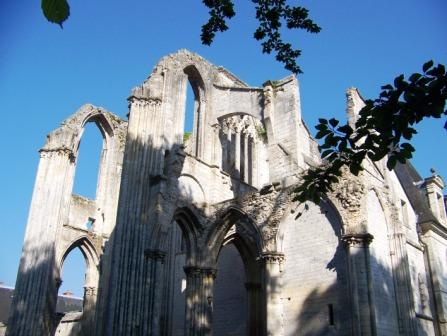
As ruined monasteries
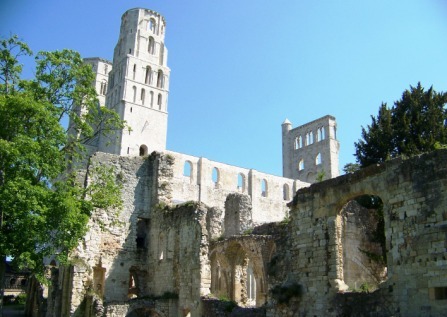
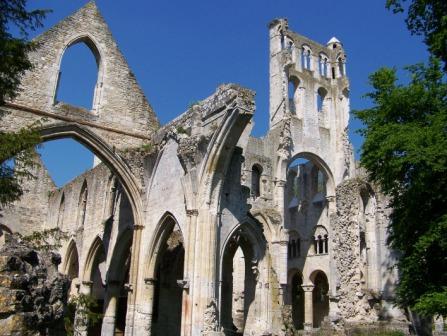
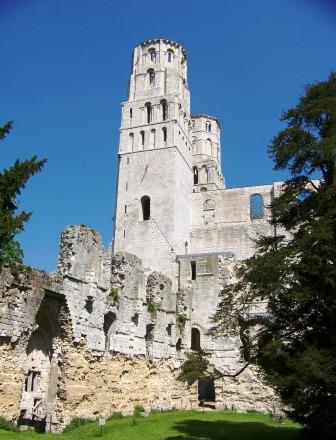
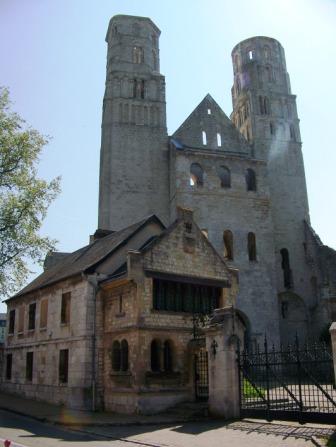
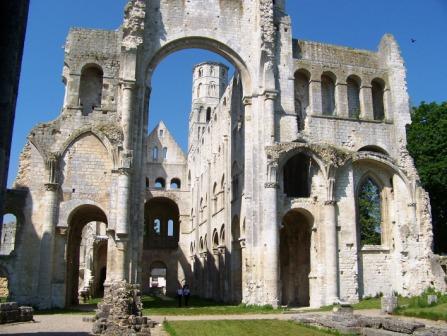
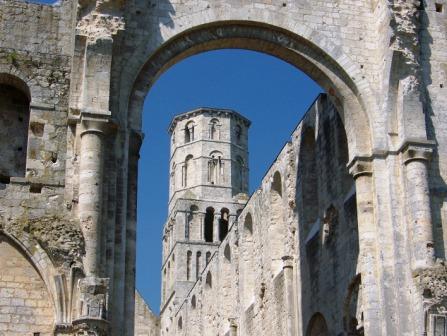
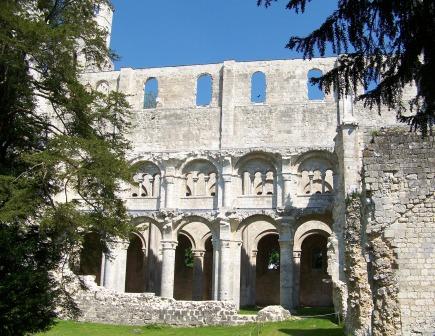
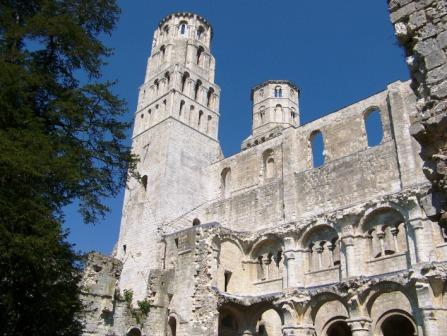
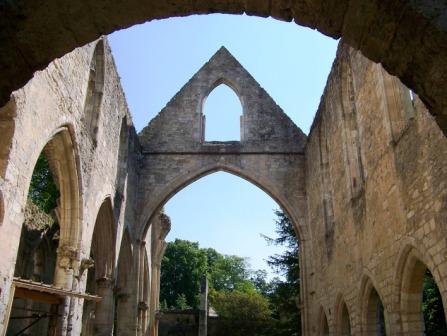
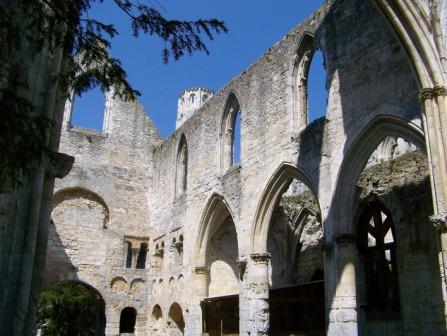
go, though, none can really compare with Jumièges. It was built
by William the Conqueror in the eleventh century, and was one of the largest
monasteries
in Normandy. It survived up until the French Revolution. When Christianity
was briefly
abolished in France, it was sold to a man who began to demolish it to sell
off its stone to
be used for construction material. Only the gatehouse surives intact of all
its buildings.
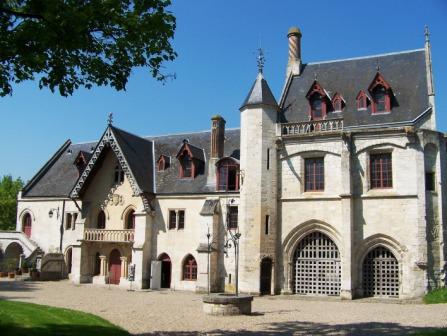
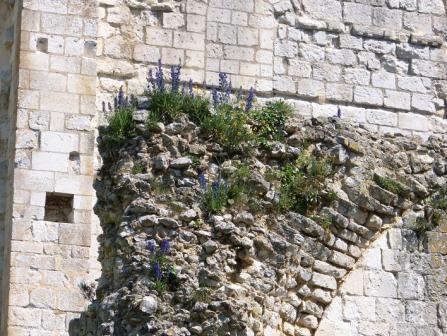
What remains of the main church is hauntingly beautiful.
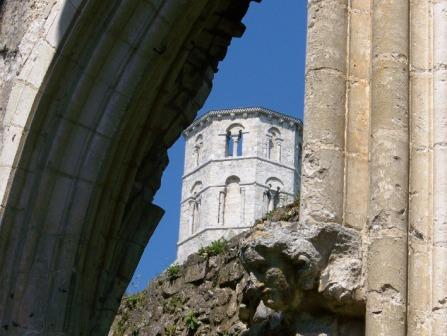
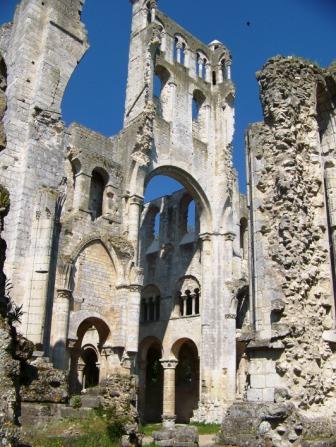
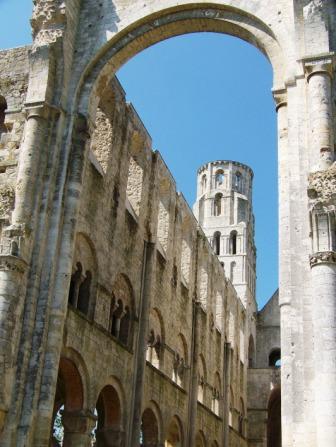
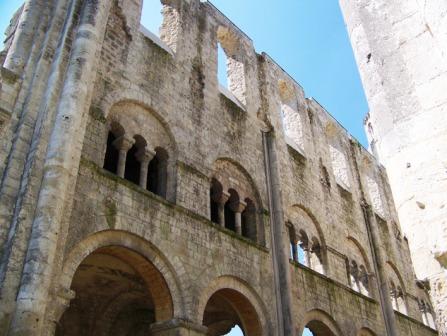
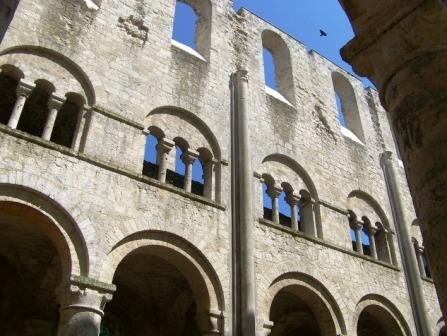
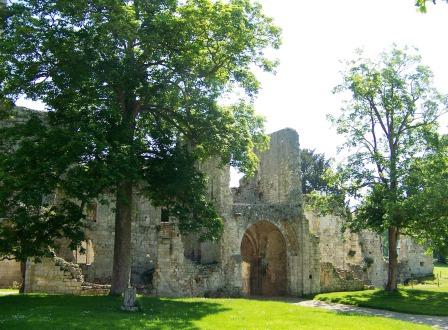
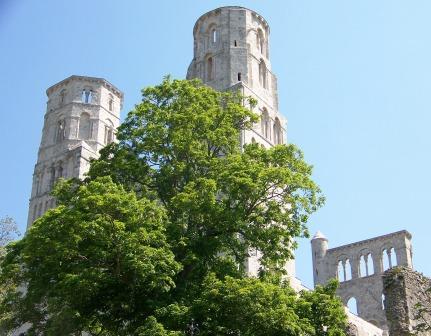
The third of these
monasteries, only a few miles from the house where we stayed, is called Le
Bec-Hellouin.
It was also a large monastery, but one almost entirely demolished during the
French Revolution,
so only a single bell tower survives of the medieval church.
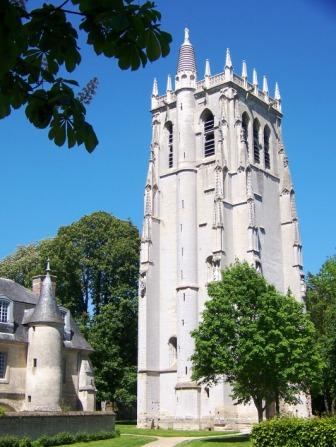
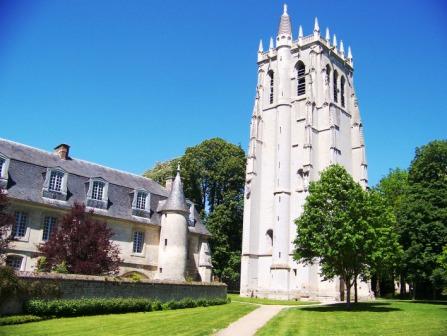
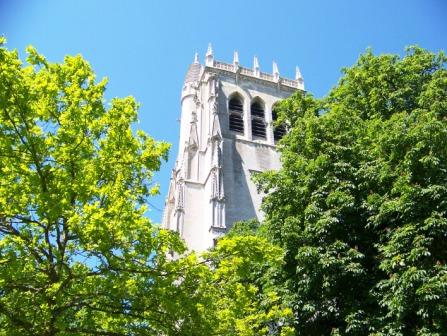
It, too, houses monks once again, but in the monastery's other buildings that remain.
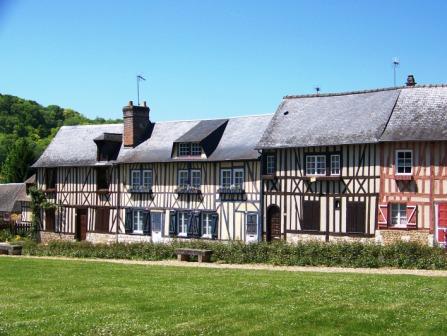
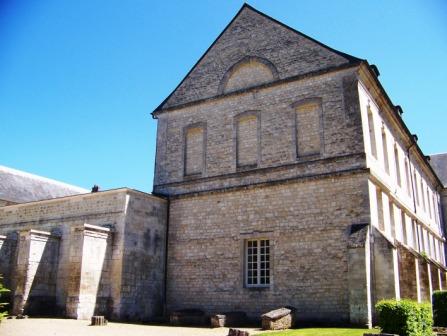
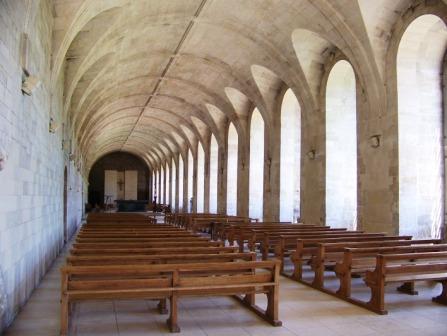
Below, the former refectory (dining hall), is now the monks' chapel.
Click here to see the next page, or close this page to choose your own next page from the map.