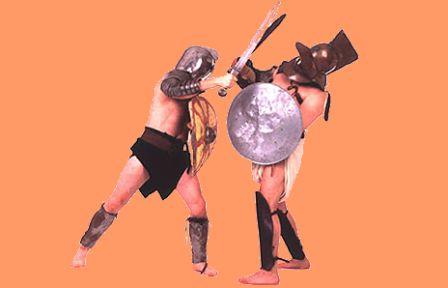
the colisseum
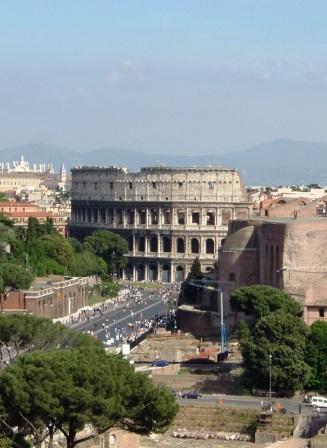
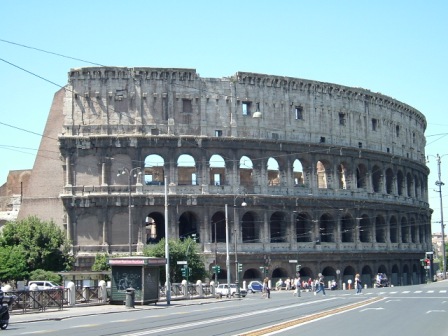
the colisseum is probably the most famous sight in rome. it lies at one end of the roman forum. in fact, it was not constructed until the reign of the emperor vespasian, between 72 and 80 a.d., after most of classical rome had already taken shape. its name may have been derived from its size: a rounded oval between 512 and 617 feet across, with 45,000 seats and standing room for 5,000 more.
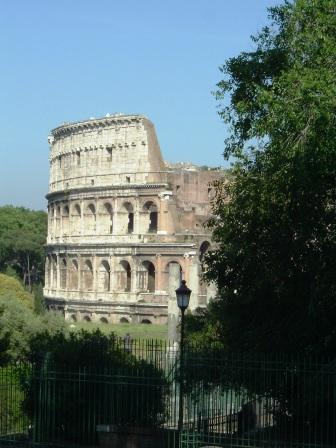
at its inauguration, games were held there that lasted 100 days, and involved
thousands of gladiators and animals (5,000 animals were killed).
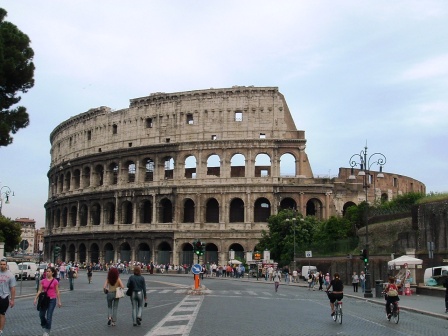
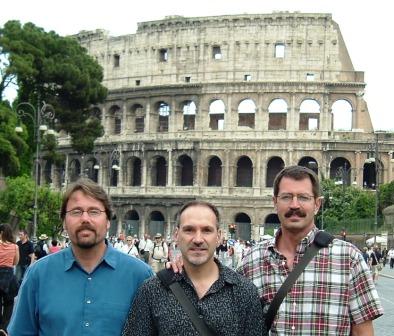
on sunday afternoon, the large thoroughfare leading to the colisseum was closed
to traffic, and provided a great avenue for strolling and people-watching, and
even a nice spot for a photo of the three of us.
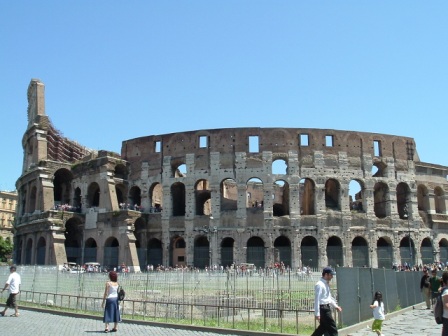
like most ancient buildings, the marble surface was taken away during the middle
ages, and it was partly demolished as various popes and princes stole blocks
for their own building projects.
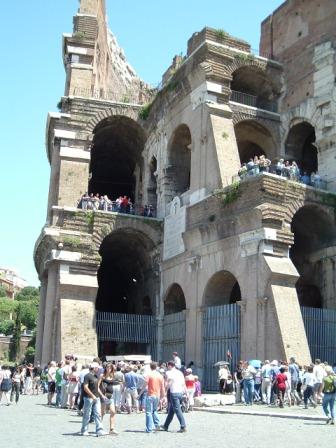
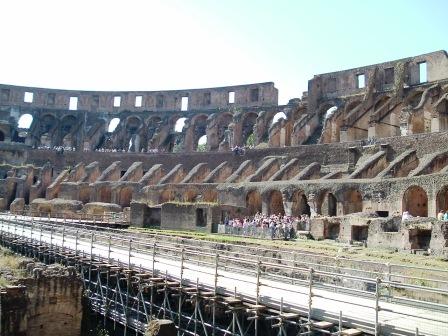
entering the colisseum shows the engineering behind the building: it was built
in multiple levels, like a modern stadium, and with dozens of entrances.
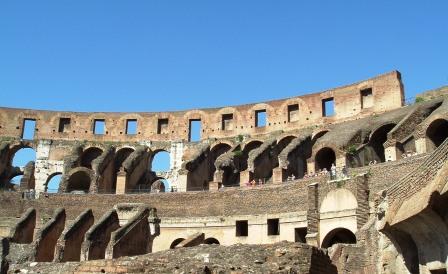
the interior is uncomfortable because of the hot summer sun, but in antiquity
there were canvas coverings that shaded spectators, opened during games by sailors
who had experience with those sorts of large riggings from sails.
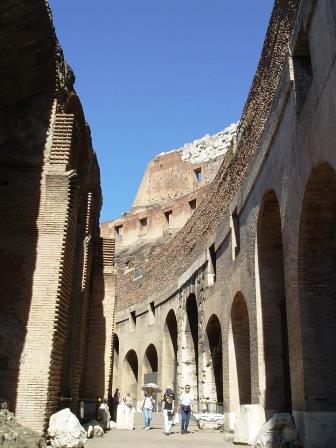
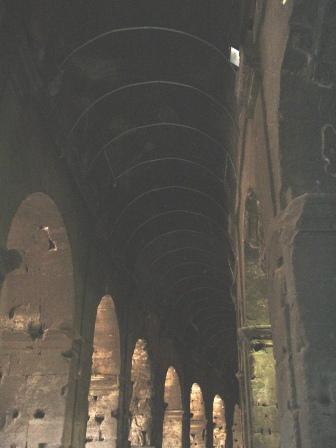
vast interior corridors took spectators to their seats: the upper classes sat
nearest to the arena, by law, and the lower classes sat around the top of the
stadium.
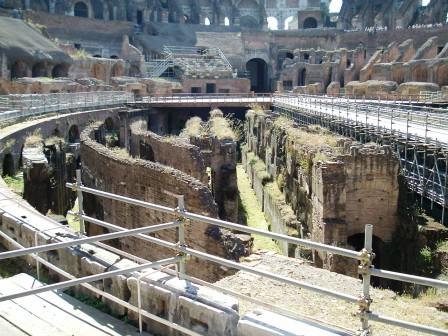
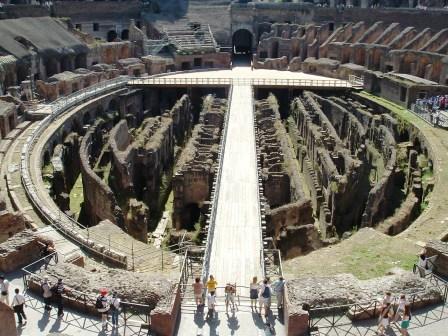
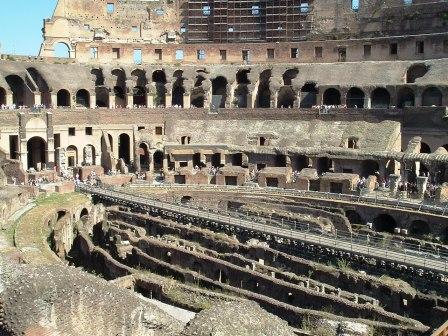
under what was once the arena floor is a vast network of hallways and cells,
including holding tanks for animals and dressing rooms for gladiators. the arena
floor was covered with sand, so that all of the blood spilt on it could be absorbed
and raked away. also built into the floor were ramps and mechanical lifts, so
that men and beasts could appear in an instant in the middle of the arena.
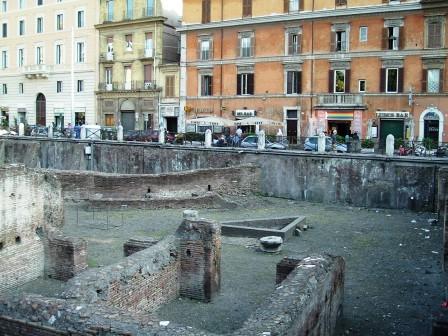
across the street
from the colisseum are the remains of the gladiator training school and barracks.


